
freedom & peace energy!® · Leico Leiser AG
One reactor. Two challenges.
Leico Leiser AG is developing a reactor based on hydrodynamic cavitation. It is intended to address two industrial challenges.
What is Leico Leiser AG developing?
A reactor based on hydrodynamic cavitation. In a fast flow, microscopic bubbles form and collapse again at once. This is intended to keep the rock reactive.
Two projects build on this core technology. Cavilysis H2 is intended to produce hydrogen from rock and water. CAVITON is intended to bind CO2 permanently in construction material. The first prototype has been built and measurements are still pending.
The principle
Cavitation in simple terms
- Illustrative image
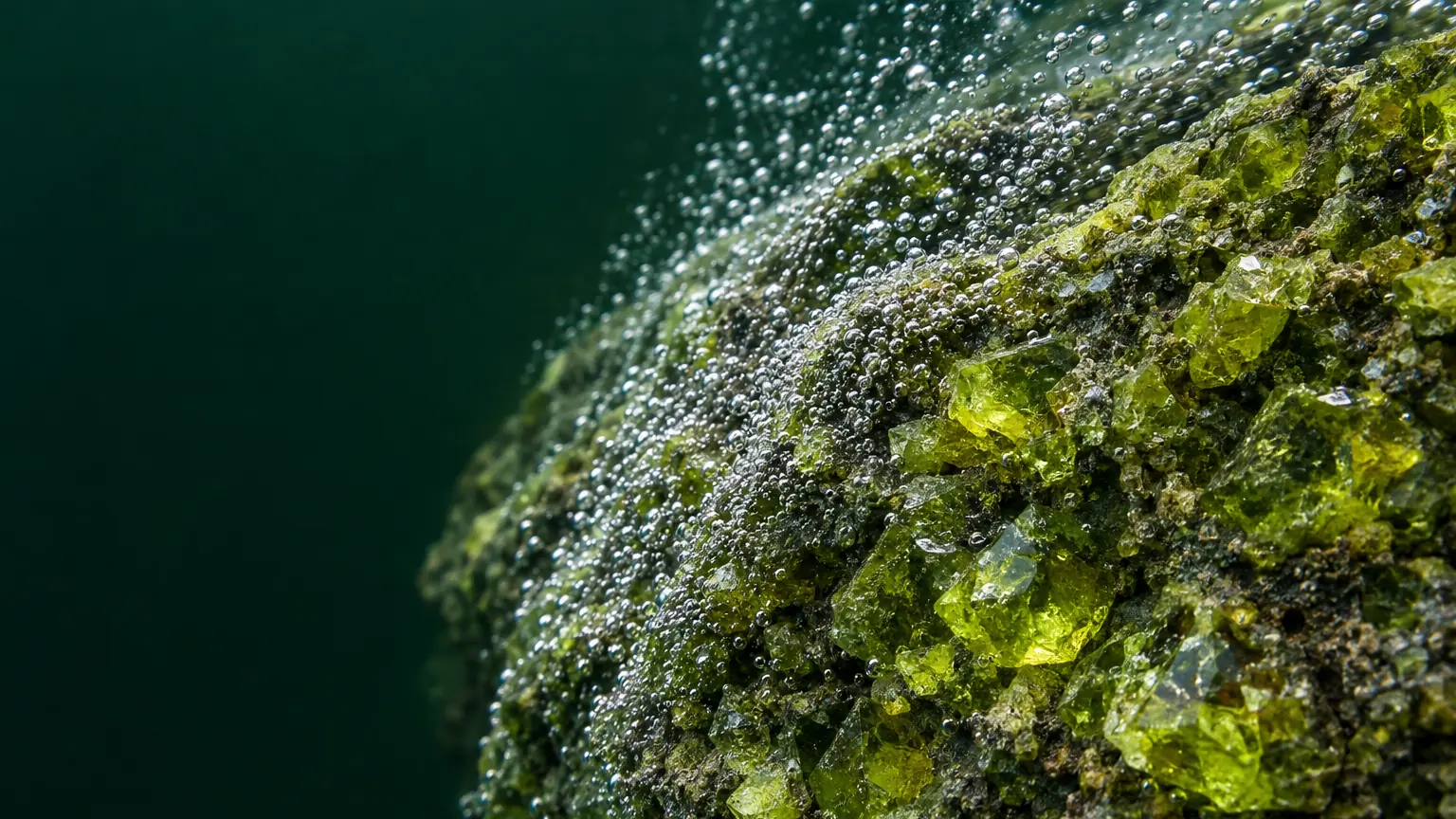
The rock
Iron rich olivine and water are the feedstocks for Cavilysis H2. The process is modelled on a natural reaction in rock.
- Illustrative image
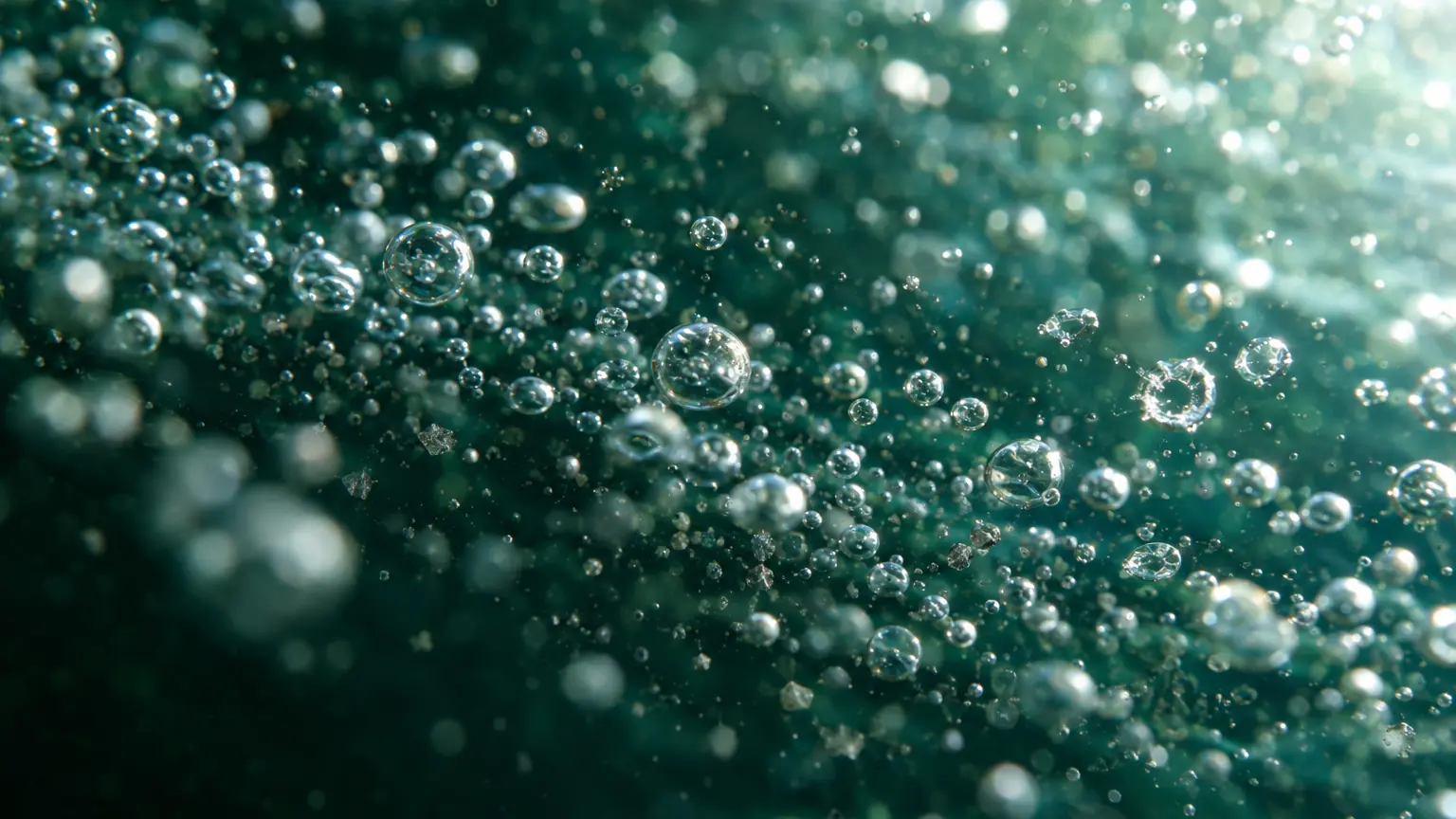
Hydrodynamic cavitation
In a fast flow, microscopic vapour bubbles form and collapse again at once. Each collapse generates a brief pulse of pressure and heat. This is intended to expose fresh rock surface.
- First prototypeAnimation · Concept visualisation
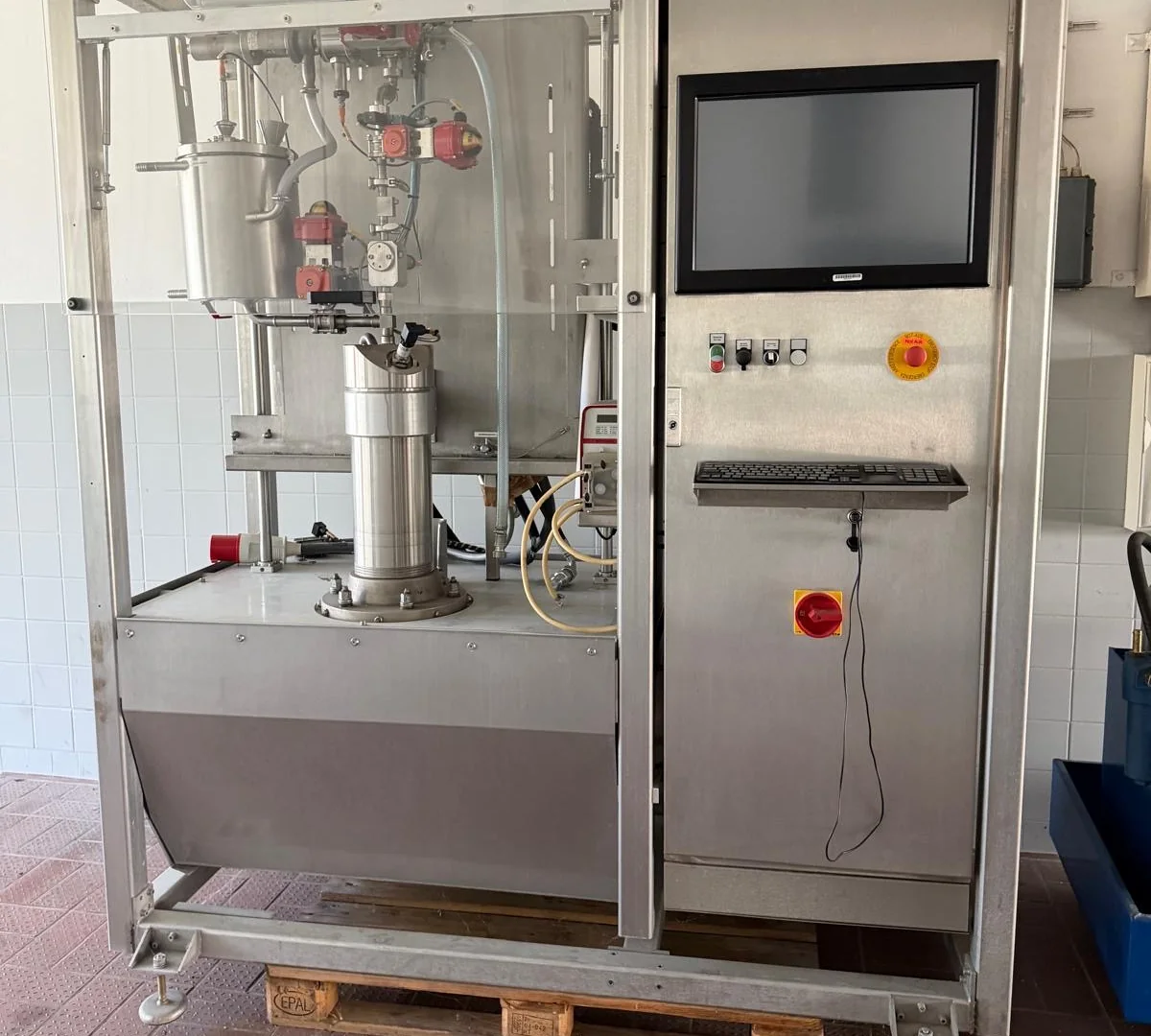
The reactor
The first prototype has been built. Measurements are still pending. ETH Zurich is responsible for validation and testing.
- Illustrative image
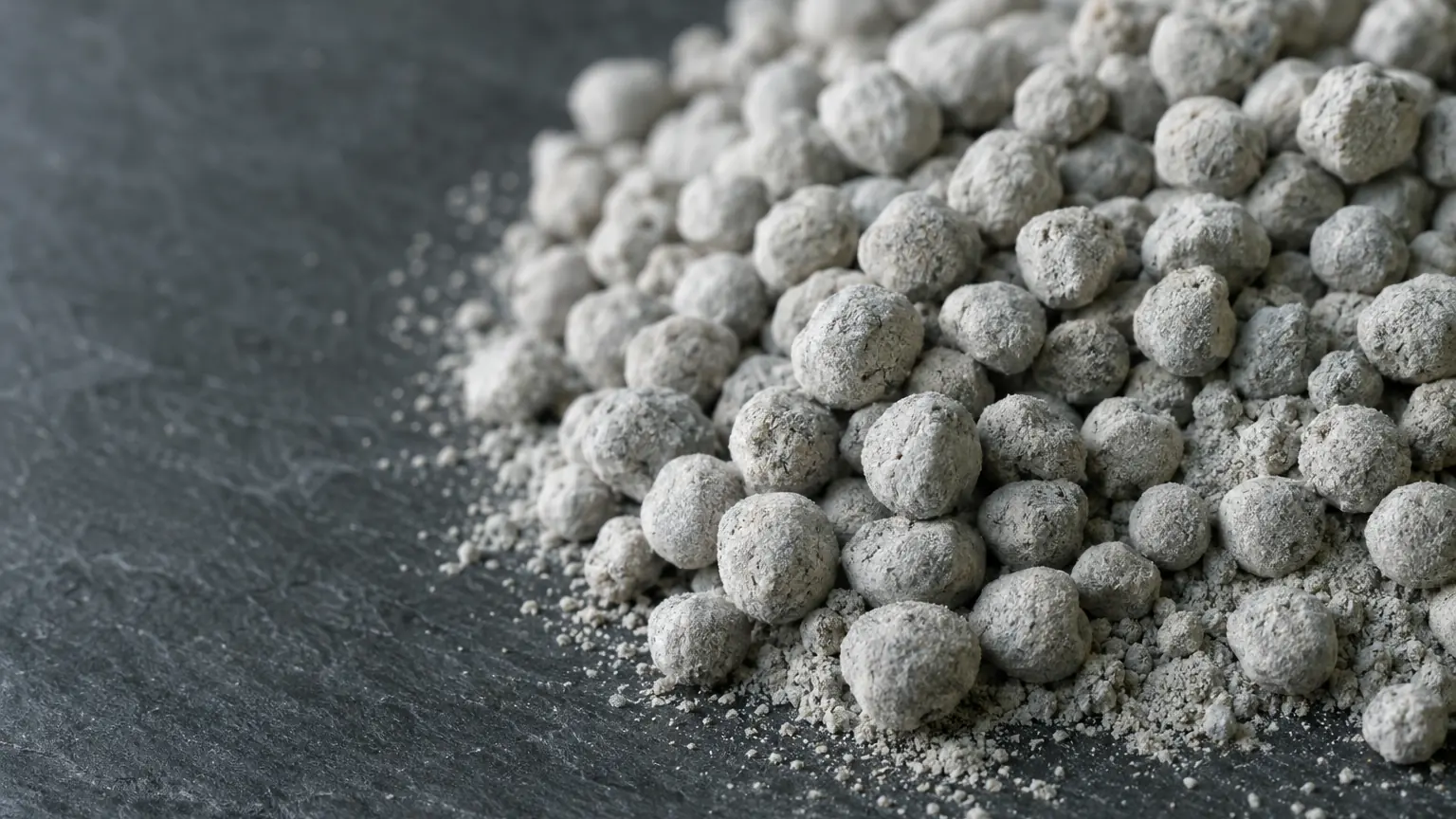
The objective
Cavilysis H2 is intended to produce hydrogen from rock and water. CAVITON is intended to bind CO2 permanently in construction material.
The reactor
The first prototype has been built
The animation shows the intended process flow: feed vessel, pump, reactor column and control system.
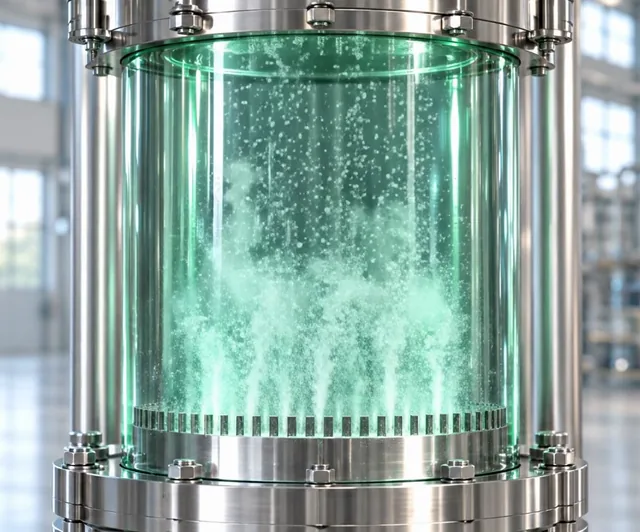
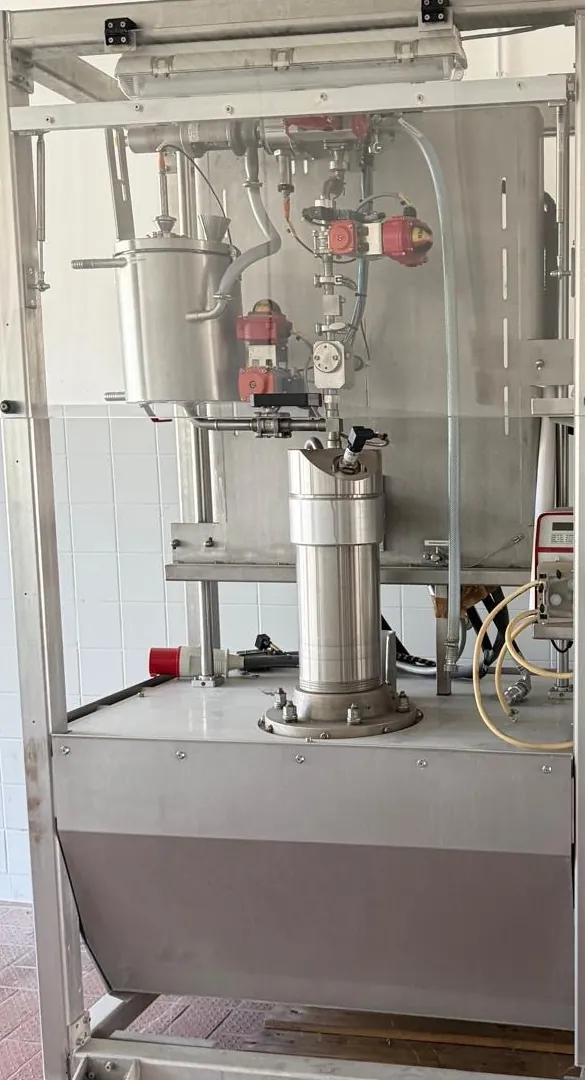
The animation shows the Cavilysis H2 reactor and the intended process flow. It is a concept visualisation, not a photo of the prototype as built and not a measurement result.
The context
Two challenges industry has to solve
Hydrogen today is almost entirely fossil based. Cement releases CO2 from the rock itself.
million tonnes of hydrogen are consumed worldwide each year (2024)
of this is produced with low emissions
- Today, hydrogen comes almost entirely from natural gas and coal.
- The largest consumers are refineries and industry.
of global CO2 emissions come from the cement industry
of the emissions per tonne of cement come from the raw material limestone (Germany)
- The CO2 is locked in the limestone, not only in the fuel.
- More efficient kilns and alternative fuels do little to change this.
The projects
One core technology, two products
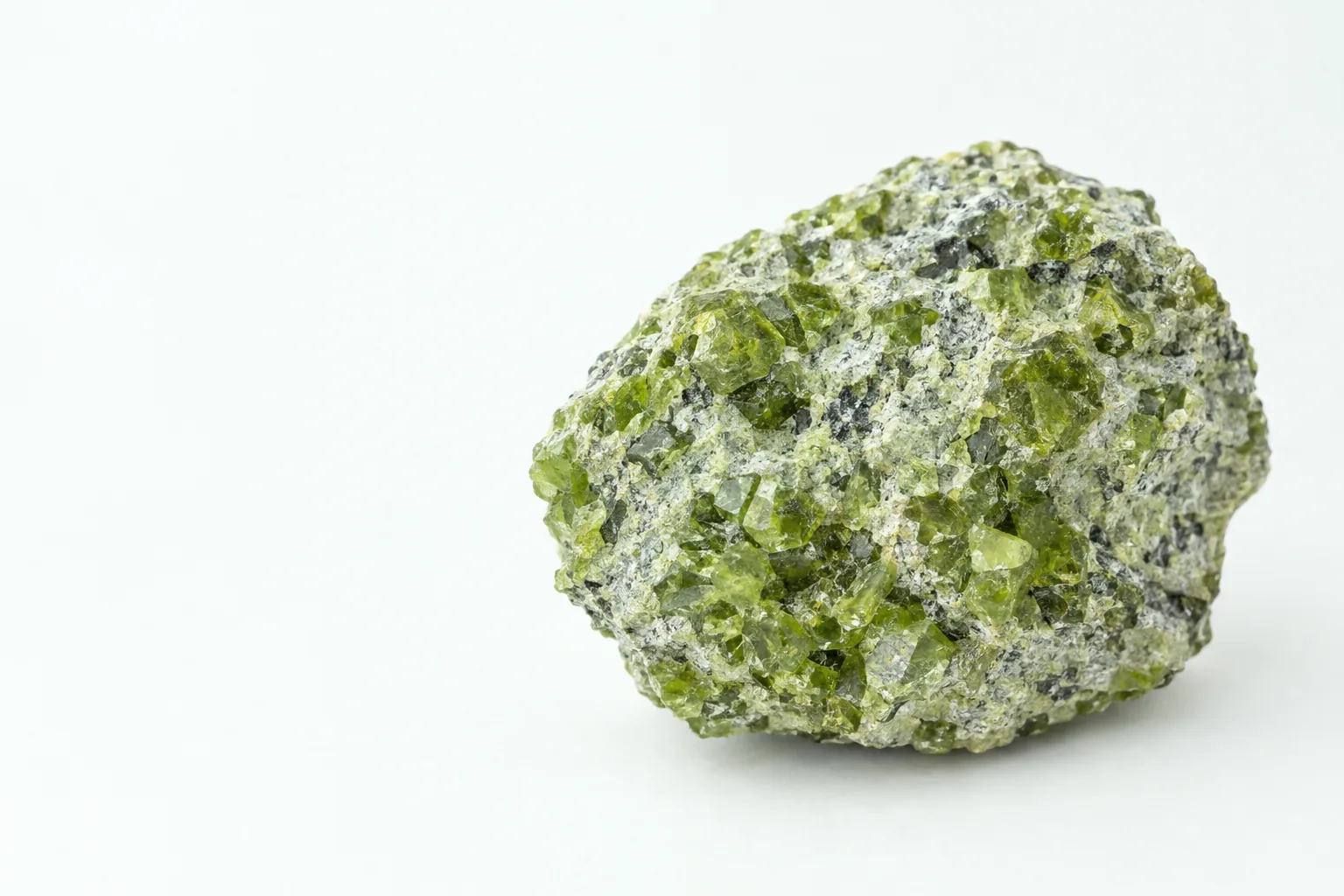 Illustrative image: olivine
Cavilysis H2
Hydrogen from rock and water
- The feedstocks are iron rich olivine and water.
- The process is modelled on a natural reaction in rock.
- The first prototype has been built.
More about Cavilysis H2
Illustrative imageCAVITON
CO2 becomes construction material
- CO2 reacts with calcium to form calcium carbonate, in other words limestone.
- The module is intended to operate directly at the kiln, with no transport.
- Laboratory proof of concept is planned from Q1 2027.
More about CAVITON
Current status
Where we stand today
We draw a clear line between evidence and targets. The prototype has been built. Measurements are still pending.
- 2025
First filing
Patent application for Cavilysis H2 filed with the Swiss Federal Institute of Intellectual Property in Bern.
Achieved - 2026
Prototype and CAVITON
First prototype of the reactor built. Patent application for CAVITON filed.
Achieved - Q1 2027
Laboratory proof of concept
Comparative trials with and without cavitation are intended to show the effect on both reactions. Validation and testing by ETH Zurich.
Planned - Mid 2027
Container pilot
A containerised module is intended to demonstrate the process under real operating conditions.
Planned
ETH Zurich
ETH Zurich is part of the project. It is responsible for validation and testing.

The brand
freedom & peace energy!®
Leico Leiser AG runs its energy projects under this brand. It stands for sustainable and peaceful energy solutions and for greater energy security in Europe.
We are seeking investors and partners for the next step.
The next step is proof of concept in the laboratory and in the container pilot. Documentation is available on request.